In Molière’s The Imaginary Invalid, the protagonist, Argan, is a perpetual patient who surrounds himself with doctors. His team of medical professionals prescribe treatments for him, such as adjusting his diet and receiving enemas. These remedies weren’t uncommon in the seventeenth century, and there were many other treatments that Argan could have been prescribed that contemporary audiences would consider outlandish. Though advancements have been made in the field of medicine since the time of the play, some parallels can still be found between Argan’s experience and that of modern patients.
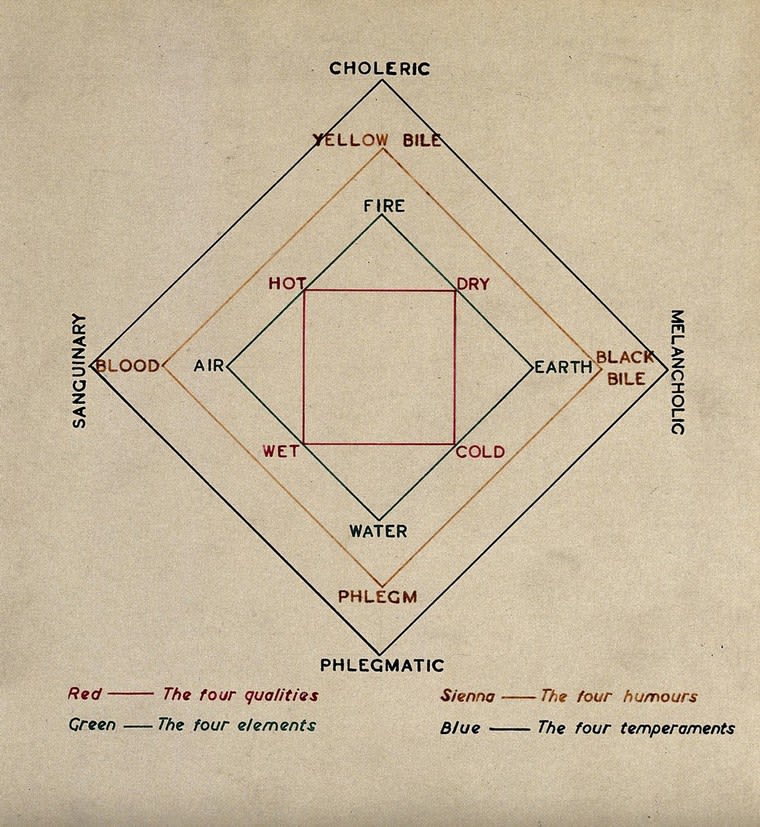
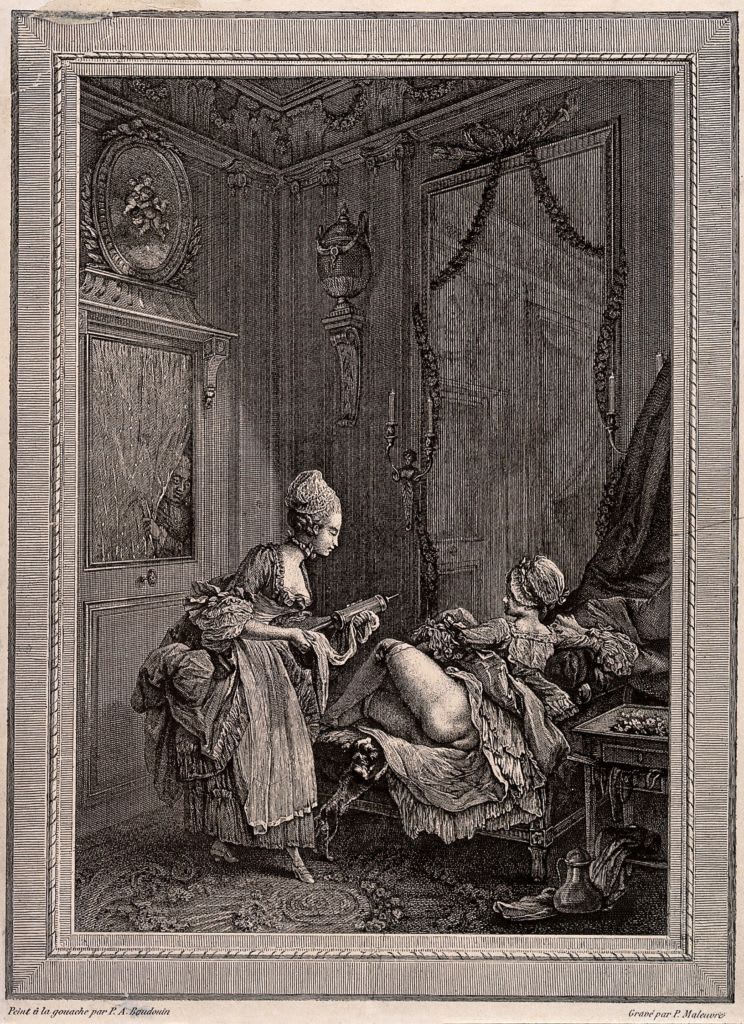
In the seventeenth century, the popularity of the humoral theory that was established in ancient Greece by Galen and Hippocrates was declining, but its foundational influence was not yet eradicated. The humoral theory stated that bodies held four “humors,” or bodily fluids: blood, phlegm, yellow bile, and black bile and illness was thought to be a result of there being too much or too little of one humor. While diet and exercise were thought to help regulation, doctors would sometimes try to get rid of an excess of humors. Enemas (also known as clysters) and laxatives (such as cassia and senna) would be prescribed for excess bile. In the play, enemas seem to be Argan’s most consistent and frequent treatment, and he wasn’t alone. While the first written reference to an enema can be traced back to 1500 BCE, the seventeenth century could be considered the golden age of the enema because of its widespread popularity among royalty and nobility.
Although Argan’s prescribed enemas aren’t the most pleasant treatment, there were other popular remedies of the time that he was lucky enough to avoid. Medicines often contained mercury or arsenic. Poisonous plants such as hemlock and deadly nightshade were common treatments as were excrement and body parts from animals. For example, a medicinal syrup made of fox lungs and anise seed was used to strengthen the lungs. Perhaps even more disturbing was the normalcy of medicinal cannibalism. Powdered Egyptian mummy was thought to help treat several conditions including asthma and tuberculosis. Powdered skull was prescribed for head ailments. Blood was sometimes drunk, and human fat was used to treat external maladies on the body. In 1618, London’s Royal College of Physicians published a book called the Pharmacopoeia Londinensis, “an officially sanctioned list of all known medical drugs, their effects and directions on their use.” Apothecaries in London used this book to determine what they should stock. There were less extreme treatment options as well. Thanks to discoveries made in exploration of the New World, European doctors began including tobacco, chocolate, coffee, and teas in their practice.
Medical treatment or healing was not the exclusive domain of doctors. In pre-Industrial Revolution Europe, medical care of the family was just as expected as the provision of meals. Journals and recipe books that were passed down through generations provide written record of these medicinal recipes. One such example is “miracle water.” Recipes vary by household, but it was generally made by infusing alcohol like brandy or wine with a combination of warming spices for 12 hours.
While the popular treatments of the seventeenth century varied from homeopathic to ridiculous, crucial advancements in scientific understanding of the human body were taking shape. In the 1660s, a chemist named Robert Boyle theorized that the human body needs to take in something from the air to breathe, and that other animals needed to do the same. Even earlier, in the 1620s, William Harvey discovered that the heart acts as a pump to control the flow of blood throughout the body, becoming the first scientist to describe the circulatory system.
Today, our understanding of the human body and modern medicine have obviously far eclipsed what seventeenth century practitioners could imagine. However, there are still parallels that can be drawn between our eras. Comedically, as Argan goes over his medical bills, he also mentions the expected side effects of some of his medications, including fatigue, nausea, hair loss, and vomiting. It’s reminiscent of watching commercials for different medications today and hearing the rapid-fire list of side effects.
Less funny but perhaps most obvious is the high cost of health care. The Imaginary Invalid opens with Argan going over his many medical bills, and the plot centers around his plan to marry his daughter to a doctor so that he can save money on his treatments. There’s a good chance that Argan would still try to go through with this plan today, as costs in healthcare have risen dramatically over the last 50 years. According to the Centers for Medicare and Medicaid Services, health spending in the United States was $74.1 billion in 1970, $1.4 trillion by 2000, and $4.9 trillion by 2023. This number is expected to grow.
Argan’s prospective in-laws advise him to alter his diet: eat eggs on odd days of the month with an even number of grains of salt. They contradict his primary physician but immediately change their prognosis when Argan shares what he was previously prescribed. It’s clear that they’re making everything up as they go, and they care more about making Argan think he needs their help, rather than helping him. Apothecaries of the time would sometimes sell bogus products as some of the more outlandish ingredients (like mummy) weren’t easy to come by. Medical grifts, spurious remedies, and fad diets continue to bombard sick and healthy people alike. Social media is full of wellness influencers touting the miracle results of certain supplements, shakes, or detox teas. AI-generated videos have begun to pop up to help sell more of these miracle cures. These supplements generally have not been properly tested or approved by the FDA; they don’t do anything and can even be dangerous.
The medical treatments available to contemporary patients have evolved a great deal since the 17th century, but the human fascination with wellness largely remains the same. We can look back with empathy even as we laugh or groan at the absurdity of bloodletting or ingesting powdered skull. There are echoes of Argan’s desire to marry his daughter to a doctor to ensure quality healthcare in couples who got married for health insurance. Argan’s faith in his apothecary is not so different from the loyalty a follower has to their favorite wellness influencer’s tea of the month. While we can count ourselves lucky to not rely on Pharmacopoeia Londinensis, we can still see shades of ourselves in the world of The Imaginary Invalid.